



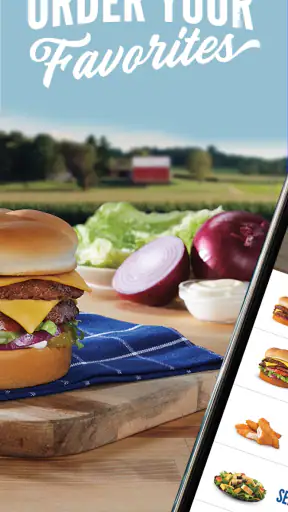
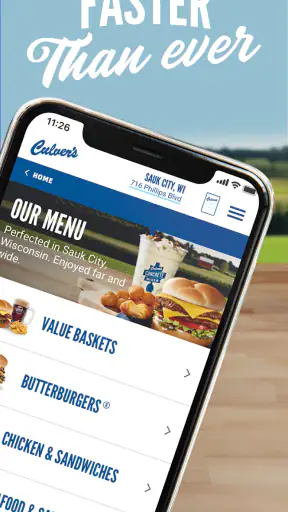
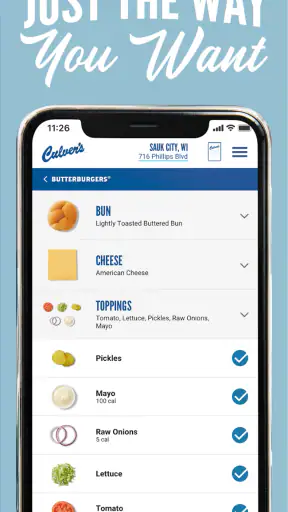
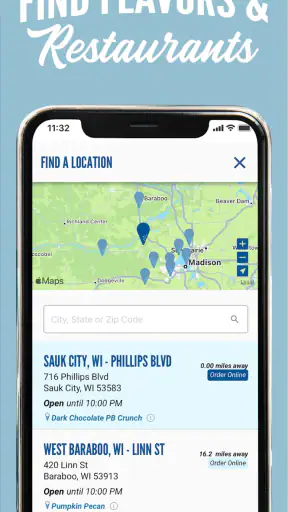
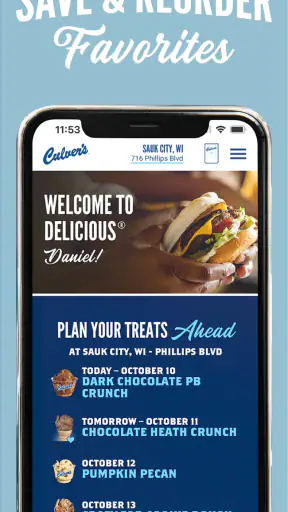

I found Culver’s useful for one simple reason: it turns a planned visit into a more organized one. This Food & Drink app from Culver's is built around ordering ahead and collecting rewards, so it makes the most sense when I already know I want Culver’s rather than when I am casually browsing for somewhere to eat. The experience is straightforward enough for a first-time user, but a few choices during setup and checkout deserve attention.
The best way to approach the app is as a repeat-visit tool, not a general restaurant guide. I would install it when I expect to order from Culver’s more than once, want to reduce time spent ordering at the counter, or like keeping reward activity in one place. If I only visit occasionally and already prefer speaking with staff, the benefit is smaller. The app is free, carries an Everyone age rating, and is made by Culver's, which makes it accessible to a broad range of diners.
What to expect before placing your first order
The core promise is easy to understand: choose food in advance, arrange the visit around that order, and build toward Delicious Rewards through continued use. I did not treat it like a delivery marketplace. Its value is tied to the Culver’s ordering experience itself, so someone looking to compare several restaurants, search across cuisines, or find the cheapest nearby meal will generally be better served by a broader food app.
That focused design is a strength. I am not distracted by unrelated restaurants or a large collection of competing menus. When I have already decided on Culver’s, the app gives me a more direct route from intention to purchase. It is especially practical for a quick lunch, a planned family stop, or an evening when I want to make the order before leaving home.
It is also worth setting expectations around rewards. The app’s reward angle can make repeat visits feel more worthwhile, but it should not be the only reason to download it. Rewards work best when the restaurant is already part of my routine. If I install the app only to chase a benefit I may rarely use, the extra account and ordering steps can feel unnecessary.
The application first appeared on November 13, 2023, and the current version is 2.1.3. It requires Android 7.0 or later, while the app’s wider availability is reflected in its reach of over a million installs. Those details matter mainly because they make it a realistic option for many Android users, including people who are not carrying a recent phone.
Who will get the most from it
I would recommend it most strongly to regular Culver’s customers, people who dislike waiting to decide at the restaurant, and anyone who wants ordering and reward progress handled in the same place. It can also help when one person is coordinating food for several people and wants to review the order before arriving.
The app is less convincing for someone who wants delivery options, restaurant discovery, or a universal loyalty wallet. It is also not the right first choice if I am still deciding what kind of food I want. Its narrow focus is intentional, but that means the usefulness rises and falls with how often Culver’s fits my plans.
Getting set up without making the first visit harder
After installing it, I would begin by opening the app when I have a few quiet minutes rather than while standing in a busy restaurant. The first useful goal is not to explore every screen. It is to get the account and ordering context ready so the first real order can be completed without rushing.
I would pay close attention to the restaurant selection and pickup details before browsing the menu deeply. A menu can look familiar while the practical choice still depends on where I plan to collect the food. Selecting the intended location early helps keep the rest of the session grounded in an actual visit instead of a hypothetical order.
If the app asks me to sign in or create an account, I would use an email address I can access easily and keep the login details somewhere reliable. That sounds basic, but it becomes important when rewards are part of the reason for using the app. A guest-style browsing session may be enough for looking around, while a signed-in session is the safer approach when I want activity associated with me over time.
I also recommend checking the order summary before moving forward, especially on a first attempt. This is where I can catch an unintended location, an item I selected twice, or a customization that did not carry through as expected. A quick review is more comfortable at home than at a counter with other customers waiting.
My suggested first-session routine
I would use this order of actions:
Open the app and establish the account details needed for a personal ordering and rewards experience.
Choose the Culver’s location that matches the visit I am actually planning.
Browse the menu slowly, checking item details and available choices before adding anything.
Review the basket as a complete meal rather than assuming the first selections are final.
Confirm the pickup instructions and timing shown in the app before submitting the order.
This sequence avoids a common beginner mistake: building an order first and only later discovering that the selected restaurant or collection plan is not the one I intended. The app is easier when I treat the location and pickup method as part of the order itself, not as minor details at the end.
For a first meaningful success, I would keep the order uncomplicated. A familiar meal is better than experimenting with several changes at once. That gives me a clear sense of how the app handles selection, review, and pickup, and it makes any later problem easier to identify.
Completing the first order in a real-life situation
Imagine I am leaving work and want to stop at Culver’s on the way home. Instead of waiting until I arrive to decide, I can open the app while I am still parked or before leaving, select the intended restaurant, and assemble the meal with enough time to read the summary. The useful result is not merely tapping “order”; it is arriving with a clear plan and fewer decisions left for the counter.
I would avoid trying to place the order while driving. The app is designed to make planning easier, not to encourage distracted use. If someone else is in the car, they can help review the order, but I still prefer confirming everything before the vehicle is moving.
Once the order is submitted, I would read the on-screen instructions carefully rather than assuming the process is identical to ordering in person. The app’s purpose is to connect a digital order with a restaurant visit, so the handoff matters. I want to know where I am expected to go, what I need to show or reference, and whether the selected location matches where I have arrived.
This is one of the app’s less obvious strengths: it moves the decision-making stage away from the busiest part of the visit. I can think about the meal, review the choices, and make adjustments before standing in line. That is more valuable than it may sound when ordering for a family or when I am short on time.
Using rewards without letting them complicate the order
The Delicious Rewards element is most useful when I make it part of my normal routine. I would check the rewards area before finalizing an order, but I would not rebuild the entire meal around a reward unless the change genuinely suits what I want to eat. Otherwise, the loyalty feature can turn a simple order into a hunt through menus and conditions.
A practical habit is to review reward activity after completing a visit rather than repeatedly checking during checkout. That keeps the ordering process focused and gives me a clearer record of what happened. If the app presents a reward or account benefit during the process, I would read its details before assuming it applies automatically.
Another useful trade-off is deciding whether speed or flexibility matters more. Ordering ahead can be faster when my plan is firm. Ordering at the restaurant can be better when I expect to change my mind, ask questions, or coordinate last-minute choices with people beside me. The app does not remove that human value; it simply offers a different path.
Where first-time users may hesitate
The most likely confusion is mixing up browsing with committing. Looking through the menu feels low-risk, but selecting a location and moving through checkout turns the session into a real visit plan. I would watch for that transition and slow down whenever the app presents a final review.
Location is another area where care pays off. A nearby restaurant may not be the one I intended to use, especially if I am traveling or ordering for someone else. I would verify the restaurant name before submitting, then check it again if the pickup instructions seem inconsistent with the place I chose.
Rewards can also create uncertainty for new users. I would not assume that simply installing the app immediately changes my account status or that every visit produces the same result. The sensible approach is to look at the reward information shown inside my account and follow the instructions presented there, rather than relying on memory from another loyalty program.
People may also wonder whether they should use the app for every Culver’s visit. I would not. If I am already at the restaurant, have a complicated request, or need help choosing, direct conversation may be easier. The digital route is strongest when I know the location, understand what I want, and value preparation.
There is a related issue for shared meals. One person can manage the order, but that person should read the complete basket aloud or show it to the group before submitting. Digital ordering reduces repeated verbal ordering, yet it can hide a small mistake until the order is already underway. A final group check is worthwhile when several people are involved.
Small habits that make the experience smoother
Choose the restaurant before spending time customizing items, so I do not build an order around the wrong pickup point.
Use a familiar first order to learn the flow, then try more detailed choices on a later visit.
Review the reward section at a calm moment instead of delaying checkout while searching for a benefit.
Keep the final order summary available until the restaurant handoff is complete.
Use in-person ordering when flexibility, questions, or last-minute changes matter more than speed.
These habits are not about making the app seem more complicated. They are about matching the tool to the situation. Culver’s works best when I give it a clear job: prepare a known order, connect it to the right restaurant, and keep my rewards activity organized.
How it compares with ordering the usual way
Compared with ordering at the counter, the app gives me more private time to read the menu and check the basket. That is helpful when I dislike making quick choices or when the order includes several people. The counter still wins for spontaneous visits and personal assistance, particularly when I need to ask about a choice before deciding.
Compared with a general food-ordering app, the Culver’s app is more focused. I am not using it to compare restaurants or combine items from different places. In return, the experience is centered on Culver’s ordering and its Delicious Rewards program. For a loyal customer, that focus is the point. For someone who wants broad choice, it is a limitation.
Compared with a paper loyalty card or relying on memory, keeping reward activity in an app is more convenient. I can connect the visit to an account instead of carrying another physical item. The trade-off is that I need to remember my login and use the digital process correctly. A simple system can still feel like work if I only visit once in a long while.
I also would not judge the app solely by whether it makes every visit shorter. Its real benefit is control before arrival. Sometimes the saved time is only a few minutes; the bigger improvement is avoiding indecision, especially during a busy lunch period or while organizing a family meal.
My recommendation after using it
Culver’s is a sensible free app for people who already enjoy the restaurant and want a direct way to order ahead while working toward Delicious Rewards. I like that its purpose is clear, and I think the first successful use is easy when I select the right location, start with a familiar order, and read the final instructions instead of rushing through them.
It is not a universal food solution, and I would skip it if I mainly want delivery comparisons, restaurant discovery, or maximum flexibility at the last second. I would also keep ordering in person when questions and conversation are more important than preparation. Those are not failures; they are situations where another method fits better.
For a first-time user, my advice is to install it before the next planned Culver’s visit, not while already waiting in line. Set up the account, choose the intended restaurant, place one uncomplicated order, and then inspect the rewards area once the visit is complete. That path lets the app prove its value without making the first experience feel like a project.
With support for Android 7.0 and later and a current version of 2.1.3, it remains approachable for many Android users. My final view is positive but practical: Culver’s is worth keeping when it becomes part of a repeat routine, while occasional visitors may find the traditional counter simpler. The app succeeds when I use its focus to plan a real meal, not when I expect it to replace every other way of choosing and ordering food.


